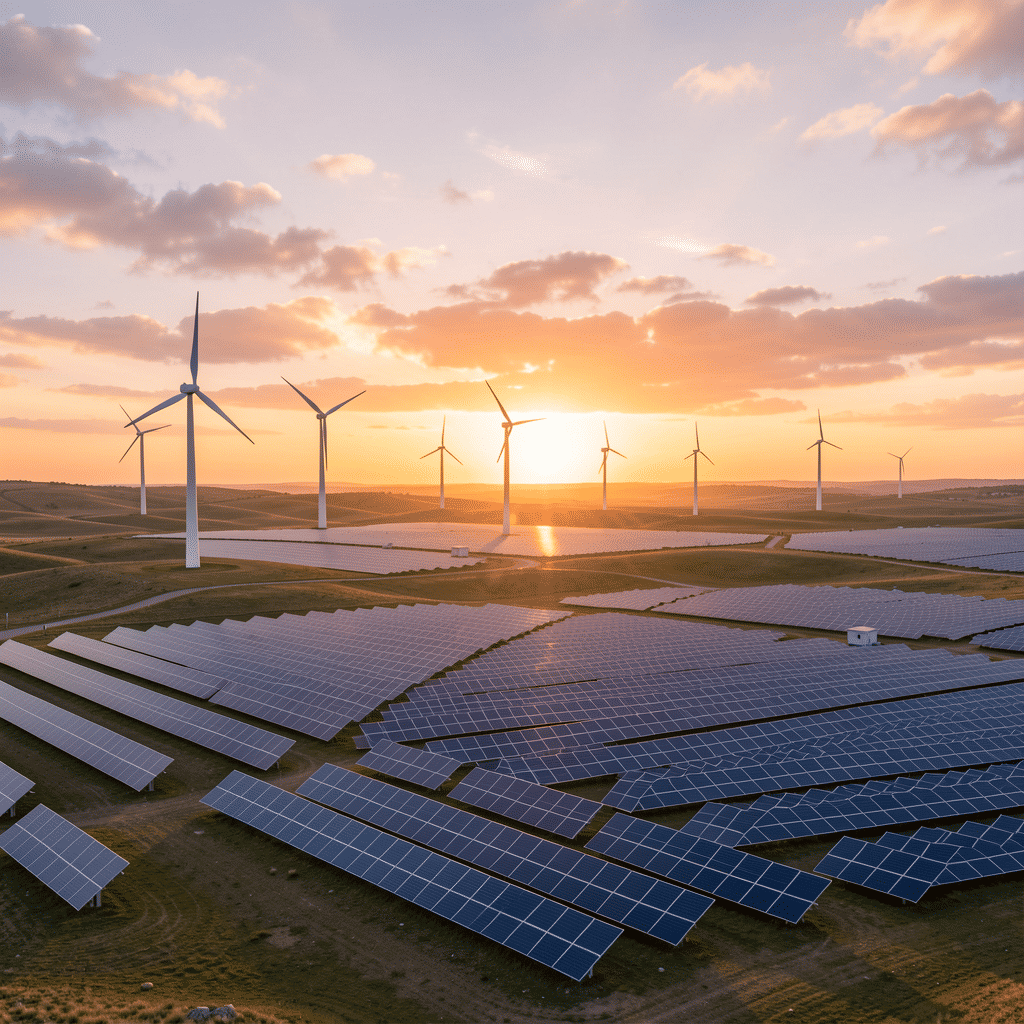
In recent years, significant advancements in renewable energy technologies have transformed the global landscape, driving us closer to a sustainable future. By harnessing alternative and clean energy sources, such as solar, wind, and hydropower, we are gradually reducing our reliance on fossil fuels and mitigating the impacts of climate change. This article delves into some of the most groundbreaking techniques that are reshaping the renewable energy sector today.
One of the most notable advancements is in solar energy. The development of perovskite solar cells has sparked considerable interest among researchers due to their high efficiency and cost-effectiveness. Perovskite materials have a unique crystal structure that allows for excellent light absorption and charge-carrier mobility, making them ideal for solar applications. Innovations in this area have seen a rapid increase in efficiency, with some laboratory tests achieving more than 25% efficiency. Further, the adaptability of perovskites enables them to be printed onto flexible materials, paving the way for a future where solar panels can be integrated into windows, clothing, and even electronic devices.
Wind energy is another area experiencing significant advancements. Offshore wind farms are becoming more prevalent due to their ability to harness stronger and more consistent wind patterns found over the oceans. Recent technological improvements include the development of larger and more efficient turbines, such as those with blades exceeding 100 meters in length. These turbines can capture more energy from the wind, significantly boosting electricity generation capacity. Additionally, floating wind farms, which eliminate the need for foundations anchored to the ocean floor, allow for installation in deeper waters, expanding the potential locations for wind power generation.
Hydropower continues to evolve with the introduction of innovative techniques that minimize environmental impact. The use of “run-of-river” hydroelectric systems is gaining traction. Unlike traditional dams, which can disrupt ecosystems and displace communities, run-of-river projects generate electricity without large reservoirs, using the natural flow of rivers to produce power. This approach not only preserves local habitats but also reduces the social and environmental costs associated with traditional hydroelectric projects.
In addition to these traditional renewable sources, emerging technologies like energy storage and grid integration are essential for maximizing the potential of renewables. Advanced battery technologies, such as lithium-sulfur and solid-state batteries, promise to provide more reliable and longer-lasting energy storage solutions. These improvements are critical for overcoming the intermittent nature of renewable energy sources, ensuring a steady and reliable power supply.
Moreover, smart grid technologies are facilitating the seamless integration of renewable energies into existing power grids. By employing real-time data analysis and automated response mechanisms, smart grids enhance the balance between energy demand and supply, thereby reducing waste and improving efficiency. This, in turn, accelerates the transition to a grid reliant on renewable energy sources.
The push for clean energy is also fostering a surge in international cooperation, driving policies and investments aimed at global carbon reduction. Governments around the world are committing resources and implementing favorable policies to support the transition, recognizing that a sustainable future hinges on collective effort.
In conclusion, the innovative techniques and developments within the renewable energy sector signal a promising trajectory toward sustainability. As new technologies continue to emerge and mature, they promise to further decrease costs, improve efficiency, and expand the accessibility of clean energy. These breakthroughs not only represent technical achievements but also signify a fundamental shift in how we produce and consume energy, forging a path towards a more sustainable and resilient world.